World Animal Day: care cannot fit into a single day
On 4 October we turn our attention to the animals beside us and those that need space in the wild. Responsible adoption, welfare and care are commitments throughout the year.
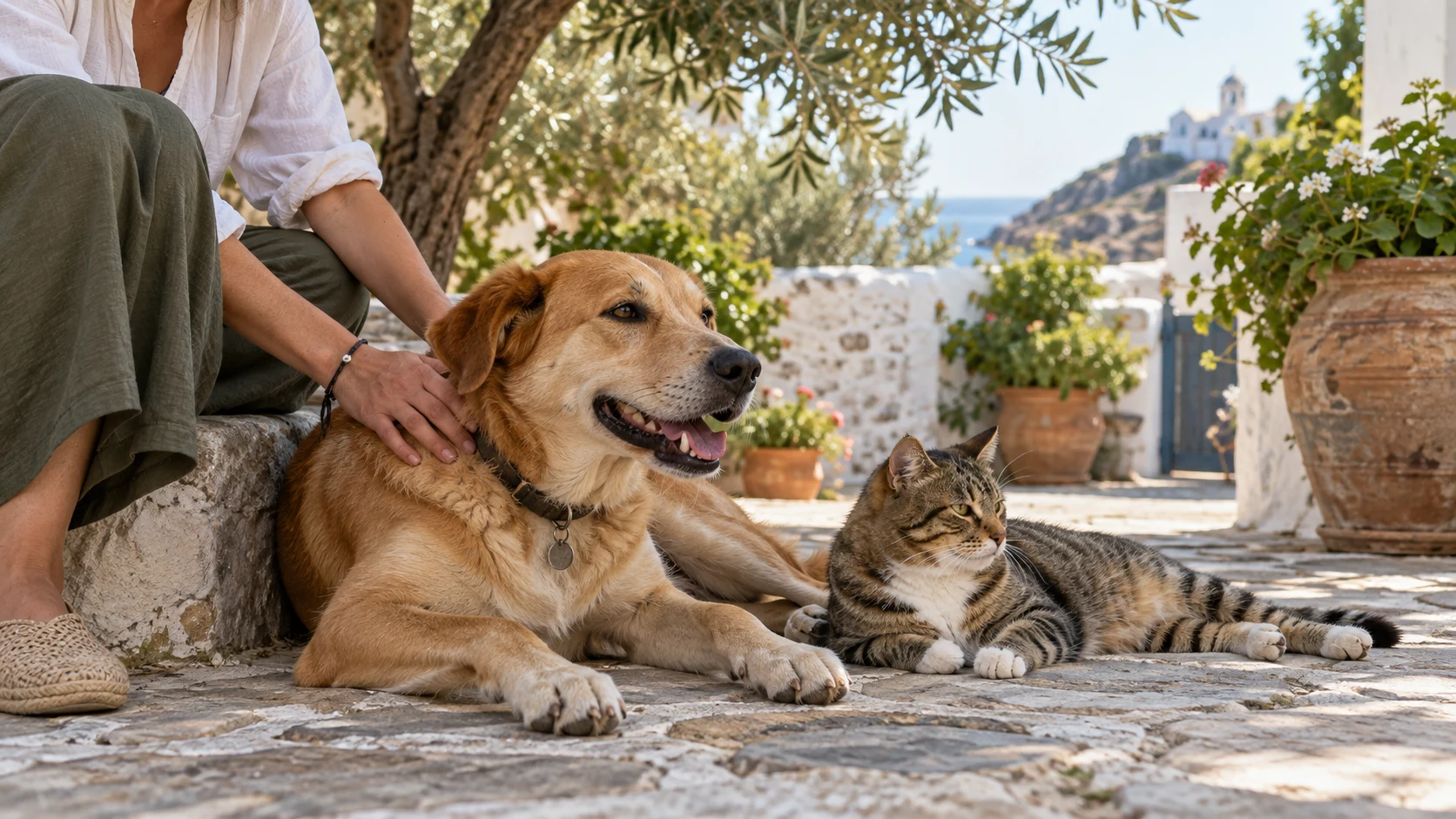
A dog waiting for a walk by the door. A cat seeking a quiet corner. A stray moving between cars. A wild animal needing room to live away from us. Different scenes raise the same question: how much room do we make for other creatures’ needs in our daily lives?
World Animal Day, on 4 October, offers an opportunity to examine that relationship. The international initiative, supported by Naturewatch Foundation, aims to improve animal protection and welfare. Its date is associated with the feast of St Francis of Assisi, but its message is for everyone: care requires knowledge, consistency and action.
On the eve of this year’s occasion, it is worth keeping more than a photograph or an emotional post. What can we change tomorrow, and what will we continue after the anniversary?
Welfare means more than a full bowl
Food and water are essential, but insufficient. The World Organisation for Animal Health (WOAH) includes the five freedoms among its guiding principles: freedom from hunger and thirst; fear and distress; physical and thermal discomfort; pain, injury and disease; and the freedom to express normal behaviour.
This framework helps us look beyond survival. Animals need a suitable environment, safety and care appropriate to their species. The question is not only whether they ate today, but whether they can rest, move and live without constant fear.
Adoption begins before the front door opens
Welcoming an animal starts with an honest conversation. Do we have the time, space and financial means? Who will care for it when we work, travel or become ill? Does everyone at home agree? Can we meet its changing needs as it grows older?
An animal should not be a surprise gift or an impulsive choice. Responsible adoption means learning about its character, history and needs and spending time with its carers. Age or a particular need does not prevent a strong bond, but requires realistic preparation.
In Greece, the national stray companion animal adoption platform on pet.gov.gr offers an official search service. Municipalities, registered animal welfare organisations and shelters post listings. Expressions of interest lead to contact with the animal’s administrator and, if adoption proceeds, a signed agreement. Searching online is only the start.
The practical side of everyday care
The American Veterinary Medical Association (AVMA) notes that choosing a dog brings daily feeding, grooming, exercise and play needs. A veterinarian can advise on prevention, vaccination, parasite protection, nutrition and reproduction management for the individual animal.
Rather than copying random advice, plan your companion’s care with a veterinarian. Notice changes in appetite, movement or behaviour and seek assessment when concerned. Do not give human medicines or treatments found in a social media post.
Identification matters too. The official pet.gov.gr portal describes electronic identification of dogs and cats and registration in the National Companion Animal Registry by accredited veterinarians. Ask for the registration and your contact details to be checked. A microchip identifies an animal; it does not continuously track its location.
Strays need lasting cooperation
Helping a stray does not have to be spectacular to be valuable. It can mean sustained support for a local group, supplies a shelter actually needs or time for volunteering. Before collecting food, blankets or money, contact the organisation and ask about its specific needs.
Fostering is another option when suitable space is available and there is a clear agreement about duration, veterinary care and next steps. It is a serious commitment, but can provide an organised bridge to a permanent home.
If you encounter an injured or visibly ill companion animal, seek help from a veterinarian and the relevant municipal service. Describe its location and condition accurately while keeping both yourself and the animal safe. Good intentions work better with coordination.
Children learn respect by watching us
World Animal Day offers a simple conversation at home and school: animals have their own needs and boundaries. They do not exist to accept every hug, game or photograph we want.
Teach children to approach calmly, first ask the carer’s permission and give an animal space when it moves away. Adults should supervise contact and set an example through calm behaviour, without teasing or making an animal’s fear into a joke.
The day also concerns animals far from our homes
Our responsibility extends to animals raised for food. WOAH develops welfare standards for different settings, including transport and slaughter. Their care involves concrete rules, scientific knowledge and oversight.
It also extends to wildlife, where care often means keeping a distance. Not every animal seen alone needs rescue. ANIMA notes that some apparently abandoned young birds have their parents nearby. Contacting a wildlife rehabilitation centre and sending a photograph helps specialists advise appropriately.
If you find an injured wild animal, record its exact location and contact a specialist organisation. Do not improvise with feeding, medicine or hand-rearing. ANIMA emphasises that rehabilitation aims to return animals to the wild where possible. Protecting wildlife also means protecting its habitat: no litter, unnecessary disturbance or photographs pursued at any cost.
One small decision for 4 October
We do not need to do everything in a day. Choose something useful that you can sustain:
- Arrange preventive veterinary care and check your pet’s registry details.
- Discuss adoption seriously, without haste and with a long-term care plan.
- Ask a shelter or local welfare group what help it needs now.
- Teach children a simple rule of respect and follow it yourself.
- Save a wildlife rehabilitation organisation’s contact details for when they are needed.
The value of World Animal Day will also show the next day: in a walk we did not postpone, care we organised and an animal we helped properly. Love for animals gains substance when it becomes a lasting responsibility.
English translation of the Greek edition · Read in Greek